

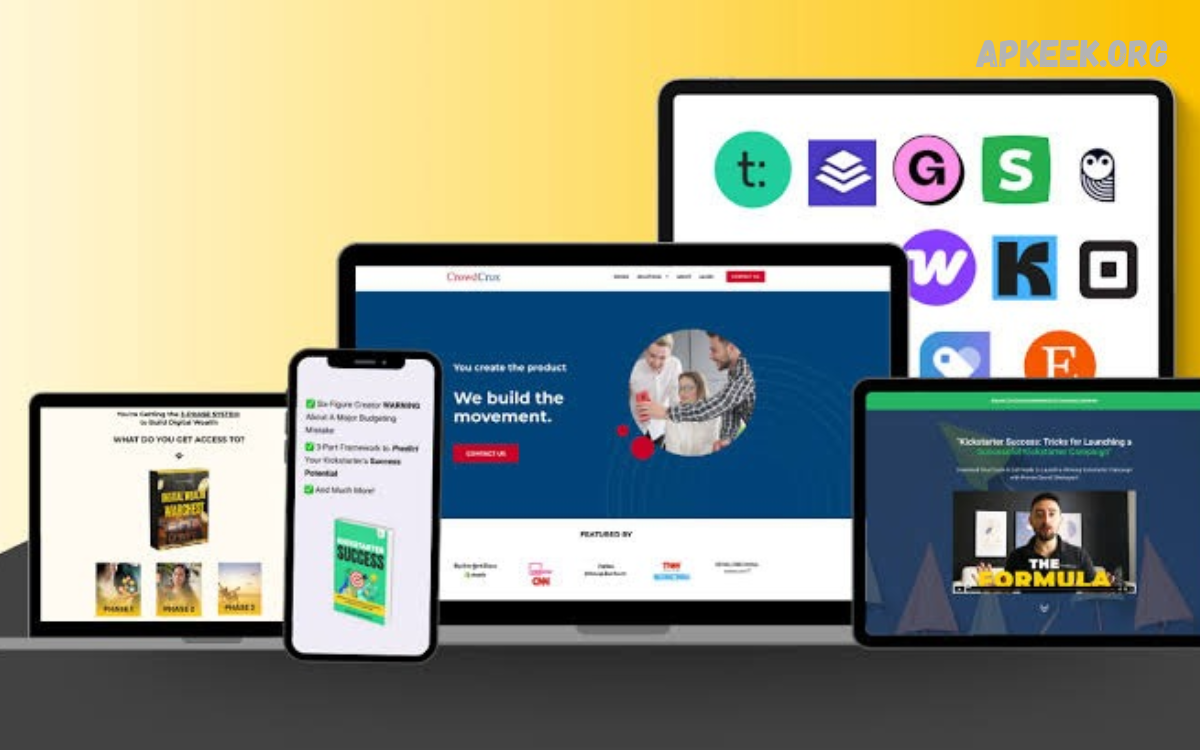
Learning how to sell digital products online offers an excellent opportunity to build a digital business with low startup costs. Digital products allow creators to earn money by selling downloadable files, online resources, templates, and educational materials.
Unlike physical products, digital products do not require storage, packaging, or shipping. Once created, a digital product can be sold repeatedly, making this business model attractive for beginners, freelancers, students, and experienced entrepreneurs.
What Are Digital Products?
Digital products are downloadable or accessible items delivered electronically through the internet. Customers purchase these products and receive access through downloads, email delivery, or online platforms.
Popular examples include ebooks, online courses, website templates, graphic designs, digital planners, stock photos, printable worksheets, and software. These products solve specific problems without requiring physical delivery.
Why Sell Digital Products Online?
Selling digital products online offers flexibility, scalability, and opportunities to reach customers worldwide. Creators can develop products once and sell them multiple times without managing physical inventory.
Another major advantage involves lower operating expenses. Digital businesses generally avoid warehouse costs, shipping charges, and packaging expenses, allowing sellers to focus on product quality, marketing, and customer satisfaction.
Best Digital Products to Sell Online
Choosing the right digital product plays an important role in building a successful online business. Beginners should focus on products that solve common problems, provide practical value, and match their knowledge or creative abilities.
Researching customer interests can help identify profitable opportunities. Products with clear benefits and specific target audiences often attract more attention than generic digital downloads.
Ebooks and Digital Guides
Ebooks remain popular because they provide useful information in an organized digital format. Creators can write guides about education, technology, business, personal development, hobbies, and other subjects.
Digital guides can also focus on specific problems, such as beginner tutorials or practical learning resources. A well-organized ebook with valuable information can attract customers looking for convenient knowledge.
Online Courses
Online courses allow experts to share knowledge through recorded lessons, presentations, assignments, and educational resources. Popular subjects include graphic design, programming, photography, digital marketing, and language learning.
A successful course should follow a clear learning structure and provide practical explanations. Beginners can start with a short course covering one specific skill instead of creating a large educational program.
Digital Templates
Digital templates help customers complete tasks quickly without creating everything from scratch. Examples include social media templates, business documents, presentation layouts, resumes, and website designs.
Creative professionals can develop templates using graphic design or document editing software. Customers appreciate ready-made resources that save time and make everyday tasks easier.
Printable Products
Printable products include planners, calendars, worksheets, checklists, educational activities, and budgeting sheets. Customers download these files and print them whenever needed.
This category works well for creators interested in organization, education, and productivity. Simple designs with clear layouts can provide practical value to different customer groups.
Photography and Digital Artwork
Photographers and designers can sell original photographs, illustrations, wallpapers, icons, and digital artwork. Businesses, bloggers, and content creators often need visual resources for their projects.
High-quality images and original designs can help sellers establish a recognizable creative style. Building a collection around a particular theme can also attract customers interested in consistent visual content.
How to Choose a Profitable Digital Product
Selecting a profitable product requires understanding customer needs and identifying problems people want to solve. Instead of choosing an idea simply because it looks popular, consider whether customers would find it useful.
Start by researching common questions, industry trends, and existing product categories. Look for opportunities where customers need better explanations, more convenient resources, or affordable alternatives.
Identify Your Skills and Interests
Your existing skills can provide a strong starting point when selecting a digital product. Writing, photography, teaching, illustration, programming, and design all offer opportunities to create valuable digital resources.
Choose a subject you understand or genuinely enjoy learning. Familiarity with your topic makes product development easier and helps you create content that provides meaningful value.
Research Customer Demand
Customer research helps determine whether people are interested in purchasing your product. Explore online discussions, customer reviews, search trends, and frequently asked questions to understand what potential buyers need.
Pay attention to repeated problems and missing features in existing products. These findings can inspire a product that offers a more practical experience than competing alternatives.
Analyze Competitors
Competitor Research provides useful information about product quality, pricing, presentation, and customer expectations. Study similar products to understand which features attract buyers and where improvements are needed.
Avoid copying another creator’s work or branding. Instead, identify opportunities to offer original designs, clearer instructions, better organization, or additional useful features.
How to Create Digital Products
Creating digital products requires planning, Research, and suitable tools. Start with a simple product idea and develop its structure before spending time on advanced designs or additional features.
Focus on usefulness rather than unnecessary complexity. A well-organized digital resource that solves one specific problem can provide more value than a large product filled with unrelated information.
Plan Your Product Content
Create an outline describing the main purpose, features, and expected benefits of your product. Divide the content into logical sections so customers can understand and use the material easily.
For example, an ebook should include useful chapters, readable formatting, and relevant explanations. A digital planner should contain practical layouts that support everyday organization.
Use Suitable Creation Tools
Different digital products require different creation tools. Writers can use document editors, designers can use graphic design applications, and educators can create presentations or recorded lessons.
Choose tools that match your experience and product requirements. Beginners should prioritize easy-to-use software before investing in advanced professional applications.
Focus on Quality and Originality
Product quality influences customer satisfaction and repeat purchases. Check spelling, formatting, file compatibility, image clarity, and overall usability before making your product available.
Always use original content or assets that you have permission to distribute commercially. Avoid copyrighted materials, copied designs, and unauthorized software resources.
Best Platforms to Sell Digital Products Online
Choosing the right selling platform helps you manage product listings, payments, customer orders, and digital delivery. The right option depends on your business goals, available budget, product category, and desired level of customization.
Some platforms provide ready-made storefronts, while others offer tools for building an independent online store. Compare features, transaction fees, payment options, and customer management tools before deciding.
Sell Digital Products Through Your Own Website
Creating your own website provides greater control over branding, product presentation, and customer experience. You can organize different product categories and develop a professional storefront around your business identity.
An independent website also allows you to publish helpful articles and build an audience through search engines. However, you must manage hosting, store maintenance, payment integration, and marketing activities.
Use Digital Product Marketplaces
Digital marketplaces allow creators to list products within established shopping environments. Customers can discover products through marketplace searches, categories, and recommendations.
These platforms can simplify product listing and delivery. However, competition, marketplace fees, and platform policies can influence your overall business performance.
Sell Through Social Media
Social media provides opportunities to showcase digital products through educational posts, demonstrations, short videos, and customer feedback. Creators can use these channels to introduce products and build relationships with potential buyers.
Instead of continuously publishing promotional content, share useful information related to your product category. Helpful content can establish credibility and encourage interested customers to explore your offerings.
How to Set the Right Price for Digital Products
Pricing affects customer interest, profitability, and brand positioning. A product priced too high may discourage beginners, while an extremely low price can make it difficult to cover business expenses.
Consider product quality, development time, customer demand, competitor pricing, and the value delivered. Your price should reflect the product’s usefulness rather than simply matching the cheapest available alternative.
Research Market Prices
Study similar products to understand common pricing ranges within your category. Compare their features, content quality, customer reviews, and included resources.
Use this information to establish a reasonable starting price. Your product should offer clear benefits that justify its cost and distinguish it from competing options.
Offer Different Product Packages
Product packages provide customers with multiple purchasing options. For example, a basic package might include a digital planner, while a premium package could include additional templates and organizational resources.
Different packages can appeal to customers with different budgets and requirements. Keep the differences clear so buyers understand what each option includes.
Test Your Pricing Strategy
Pricing can change as your product develops and customer demand becomes clearer. Monitor sales performance, customer feedback, and conversion rates to understand how buyers respond to your prices.
Make adjustments carefully instead of changing prices without a clear reason. Testing different offers can help you find a balance between customer affordability and business profitability.
How to Create an Attractive Product Listing
A product listing introduces your digital product to potential customers. It should explain what the product includes, who can benefit, and which problems it helps solve.
Use a clear product title, informative description, accurate preview images, and straightforward purchasing information. Avoid exaggerated promises because honest product information helps establish customer trust.
Write a Clear Product Description
A strong product description explains the main features and practical benefits. Start with the problem your product addresses, then describe its contents and how customers can use it.
Include important details such as file formats, page counts, compatibility, and delivery methods. Clear descriptions help buyers understand exactly what they will receive after purchasing.
Add Useful Product Previews
Product previews help customers evaluate the appearance and structure of digital resources before purchasing. Show representative pages, template layouts, design elements, or course content where appropriate.
Make sure previews accurately represent the final product. Avoid misleading presentations that create expectations your downloadable files cannot fulfill.
Explain Digital Delivery
Customers should understand how they will receive purchased products. Explain whether files become available through an instant download, customer account, or electronic delivery system.
Provide simple instructions for opening and using downloaded files. Clear delivery information reduces confusion and improves the overall purchasing experience.
How to Market Digital Products Online
Marketing helps potential customers discover your products and understand their value. Even excellent digital products may receive limited attention without a consistent promotional strategy.
Focus on reaching people who genuinely need your product. Combine useful content, search engine optimization, social media promotion, and customer relationships to build long-term visibility.
Search Engine Optimization
Search engine optimization helps your website appear in relevant search results. Research keywords that potential customers use when searching for digital products, tutorials, and downloadable resources.
Use your main keyword naturally in page titles, headings, descriptions, and relevant content. Publish helpful articles that answer customer questions and connect readers with suitable products.
Social Media Marketing
Social media platforms help creators reach audiences through educational posts, demonstrations, product explanations, and creative content. Choose platforms where your target customers actively spend time.
Maintain a consistent posting schedule and share information that solves common problems. Avoid relying entirely on advertisements because useful organic content can support long-term audience growth.
Email Marketing
Email marketing helps businesses communicate with interested customers and existing buyers. You can share product updates, educational resources, special offers, and announcements through permission-based email campaigns.
Build an email list by offering useful free resources or informative newsletters. Send relevant messages instead of overwhelming subscribers with frequent promotional emails.
Content Marketing
Content marketing involves publishing helpful information that attracts people interested in your products. Blog articles, tutorials, guides, and educational videos can demonstrate your knowledge and introduce useful solutions.
Develop content around customer questions and related search terms. Each piece should provide genuine information rather than serving only as an advertisement.
How to Accept Payments for Digital Products
A reliable payment system makes purchasing easier and helps customers complete transactions confidently. Payment options may include debit cards, credit cards, digital wallets, and supported online payment services.
Available payment methods depend on your country, platform, and business requirements. Before selecting a payment provider, review its supported regions, transaction charges, withdrawal options, and verification requirements.
Choose a Suitable Payment Provider
Compare payment providers according to availability, security, fees, and integration options. Some services support direct website integration, while others operate through marketplace checkout systems.
If you operate from Pakistan, check whether the provider officially supports Pakistani sellers and local withdrawals. Never assume an international payment service offers identical features in every country.
Protect Customer Transactions
Payment security is essential for building customer confidence. Use reputable payment providers and secure checkout systems rather than collecting sensitive payment information manually.
Keep transaction records and establish clear policies for refunds, support, and digital delivery. Transparent purchasing procedures can reduce misunderstandings and improve customer trust.
How to Deliver Digital Products Automatically
Automated delivery allows customers to receive their purchases without waiting for manual processing. After successful payment, the system can automatically provide download access or send delivery instructions.
This approach saves time and supports a smoother purchasing experience. It also allows sellers to manage more orders without handling every delivery individually.
Organize Your Digital Files
Keep product files organized using clear folder names and consistent file formats. Separate different versions, supporting documents, instructions, and preview materials to avoid confusion.
Test every downloadable file before publishing it. Make sure customers can open the files using commonly available software and understand how to access their purchased content.
Set Up Automatic Downloads
Many digital selling platforms provide automatic delivery features. Configure these systems to release the correct files after payment confirmation and provide customers with clear access instructions.
Check download permissions and delivery messages regularly. Proper configuration helps prevent incorrect files, broken access, and unnecessary customer support requests.
Read Also: Online Business in Pakistan: A Complete Guide to Starting and Growing a Successful Business
Common Mistakes to Avoid When Selling Digital Products
New sellers sometimes spend too much time creating products without researching customer demand. Others focus entirely on promotional activities while overlooking product quality, pricing, and customer support.
Avoiding common mistakes can help protect your time and business resources. Build your digital store gradually, test key features, and improve your products based on genuine customer feedback.
Creating Products Without Research
Creating a product without understanding customer needs can lead to limited interest and disappointing sales. A beautiful design or detailed ebook does not automatically guarantee market demand.
Research your target audience before starting development. Identify specific problems and confirm that your proposed product provides a useful solution.
Ignoring Customer Feedback
Customer feedback reveals problems that may not be obvious during product development. Buyers can highlight unclear instructions, missing features, compatibility issues, and opportunities for improvement.
Review feedback professionally and identify repeated suggestions. Making relevant improvements can increase customer satisfaction and strengthen your product’s reputation.
Using Misleading Marketing Claims
Exaggerated marketing claims can damage customer trust and create unrealistic expectations. Avoid promising guaranteed income, instant success, or results that your product cannot reliably deliver.
Describe product features honestly and explain their practical benefits. Accurate information helps customers make informed purchasing decisions.
Tips to Grow Your Digital Product Business
Growing a digital product business requires consistent improvement and a clear understanding of customer behavior. Instead of focusing only on increasing product numbers, improve existing resources and develop products that complement your current offerings.
Monitor sales, customer questions, website performance, and marketing results. These details can help identify successful strategies and areas that require additional attention.
Build a Strong Brand Identity
A recognizable brand helps customers remember your business and understand its purpose. Use consistent colors, typography, product presentation, and communication across your digital storefront.
Develop a clear brand message that explains what your business offers. Professional presentation and reliable customer service can help establish a positive reputation.
Create Product Bundles
Product bundles combine related digital resources into a single package. For example, a collection of social media templates could include post layouts, story designs, and content planning sheets.
Bundles provide convenience for customers who need several related resources. They can also increase the average order value without requiring an entirely new product category.
Expand Your Product Collection
Once your first product becomes established, consider developing related resources. A seller offering beginner photography guides might introduce editing presets, printable checklists, or educational courses.
Expand gradually while maintaining quality standards. Products should serve a connected audience rather than creating an unrelated collection that makes your brand difficult to understand.
Legal Considerations for Selling Digital Products
Digital product sellers should understand the legal requirements associated with their business activities. These requirements may include business registration, applicable taxes, intellectual property protection, consumer rights, and privacy obligations.
Rules vary by location and customer markets. Research relevant regulations before accepting payments or commercially distributing digital resources.
Protect Your Intellectual Property
Original ebooks, artwork, templates, photographs, and educational materials may qualify for copyright protection under applicable laws. Keep records of your original work and understand the rights associated with licensed resources.
Include clear usage terms explaining whether customers can use products personally or commercially. Do not distribute copyrighted materials without appropriate authorization.
Create Clear Refund Policies
Refund policies explain how customers can request assistance when a digital purchase does not meet expectations. Digital products may involve different refund requirements depending on local consumer protection laws.
Describe your policy before checkout and explain how customers can contact your business. Make sure your terms remain consistent with applicable legal requirements.
How Much Money Can You Make Selling Digital Products?
Income from digital products depends on product demand, pricing, customer reach, competition, and marketing performance. Some sellers generate occasional sales, while established businesses may build multiple income streams through different digital products.
There is no guaranteed earning amount or fixed timeline for success. Beginners should focus on creating valuable products, understanding their audience, and building a reliable sales process.
Understand Your Profit Margins
Digital products often have lower delivery expenses than physical products, but operating costs still exist. Expenses may include software subscriptions, platform fees, advertising, payment processing, hosting, and customer support.
Calculate your costs before deciding how much profit each sale generates. Understanding these expenses helps you make informed pricing and business decisions.
Build Multiple Revenue Streams
Multiple products can reduce dependence on a single revenue source. Sellers may combine ebooks, courses, templates, subscriptions, and other related resources.
Develop additional products based on customer needs and existing business strengths. A focused collection can create more purchasing opportunities while keeping your brand consistent.
Selling Digital Products Online in Pakistan
Pakistan offers opportunities for people interested in online businesses, freelancing, digital design, and educational resources. Creators can develop products for local customers or explore international markets when payment, tax, and platform requirements allow.
Popular product ideas include Urdu ebooks, educational notes, graphic design templates, business documents, printable planners, and online learning resources. Understanding local customer preferences can help sellers develop relevant products.
Choose Products for Pakistani Customers
Consider products that address common needs among Pakistani students, freelancers, entrepreneurs, and small businesses. Educational resources, resume templates, social media designs, and business planners can serve different customer groups.
Local language support can also create opportunities. Products available in Urdu or English may appeal to customers with different learning and communication preferences.
Understand Payment and Withdrawal Options
Payment availability is an important consideration for Pakistani digital product sellers. Research services that officially support your location, account verification, business activities, and withdrawal requirements.
Compare local and international payment options before choosing a selling platform. Confirm all applicable fees and account conditions to avoid unexpected payment difficulties.
Future Trends in the Digital Product Industry
The digital product industry continues to evolve as technology changes how people create, purchase, and consume online resources. Artificial intelligence, interactive learning, automation, and personalized digital experiences are creating new opportunities for creators.
Customers increasingly value convenient resources that save time and provide practical results. Sellers who understand emerging needs and maintain high product standards can adapt more effectively to changing market expectations.
AI-Powered Digital Products
Artificial intelligence tools can support the creation of educational resources, productivity templates, design assets, and business materials. Creators can use these technologies to improve their workflows and explore new product ideas.
However, AI-generated content should always receive human review. Check accuracy, originality, quality, and licensing requirements before selling any AI-assisted digital resource.
Personalized Digital Resources
Personalized products let customers choose layouts, formats, themes, or content that suit their preferences. Examples include customizable planners, editable templates, and personalized educational materials.
Customization can help products stand out in competitive markets. Make sure the purchasing process remains simple and clearly explains which elements customers can modify.
Frequently Asked Questions
What Is the Easiest Digital Product to Sell Online?
Ebooks, printable planners, checklists, and editable templates are popular beginner-friendly options. Choose a product that matches your skills and addresses a clear customer need.
Can Beginners Sell Digital Products Online?
Yes, beginners can start with simple digital resources and gradually expand their product collections. Basic design, writing, and marketing skills can help establish an online business.
Do Digital Products Require Inventory?
No, digital products generally do not require physical inventory or warehouse storage. Sellers organize electronic files and provide customers with digital access after successful purchases.
How Much Does It Cost to Start Selling Digital Products?
Startup costs depend on product development tools, website expenses, platform fees, and marketing requirements. Beginners can reduce initial expenses by creating simple products with accessible tools.
Which Digital Products Are Most Profitable?
Profitability varies according to customer demand, competition, product quality, and pricing. Online courses, templates, ebooks, and specialized educational resources offer different business opportunities.
Can I Sell Digital Products Without a Website?
Yes, some marketplaces and social selling platforms let creators promote and sell digital products without running an independent website. Review platform policies and transaction fees before choosing one.
How Can I Promote Digital Products for Free?
You can use organic social media content, SEO articles, educational videos, and helpful online discussions. Consistent, valuable content can attract potential customers without requiring paid advertisements.
Can I Sell Digital Products From Pakistan?
Yes, Pakistani creators can explore digital product businesses through platforms and payment services that support their location. Check account eligibility, withdrawal options, and applicable business requirements.
Are Digital Products Good for Long-Term Business?
Digital products can support long-term business growth when they provide lasting value and receive regular improvements. Customer trust, product quality, and effective marketing remain important.
How Do Customers Receive Digital Products After Purchasing?
Customers usually receive download links, account access, or electronic delivery instructions after payment confirmation. Automated delivery systems make this process faster and more convenient.
Conclusion
Learning how to sell digital products online requires more than uploading files and waiting for customers. Successful sellers Research demand, create useful resources, choose suitable platforms, set fair prices, and build consistent marketing strategies.
Start with one product that solves a real problem, then improve it based on customer feedback. With patience, original ideas, and responsible business practices, a digital product store can become a valuable long-term business opportunity.
