

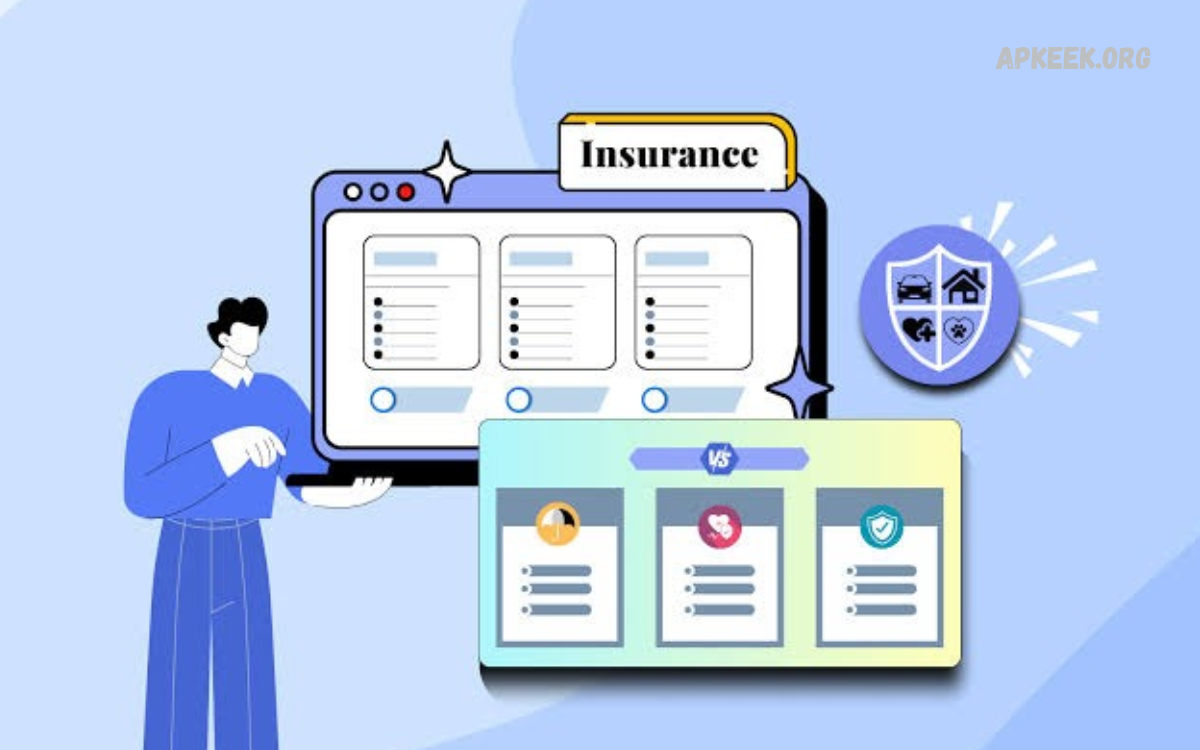
Insurance plays an important role in protecting individuals, families, and businesses from unexpected financial difficulties. Whether you need health, life, car, home, or travel insurance, choosing the right policy can make a significant difference to your financial security.
Insurance comparison is a practical way to evaluate different policies before making a final decision. It lets you compare premiums, coverage limits, benefits, exclusions, and additional services offered by different providers.
What Is Insurance Comparison?
Insurance comparison is the process of reviewing multiple insurance policies to understand their prices, coverage options, terms, and conditions. It helps customers identify the differences between insurance providers and determine which policy offers the best overall value. The goal isn’t simply to find the cheapest premium, but to select coverage that meets your financial and personal needs.
Different insurance companies may offer similar products with different benefits and limitations. For example, one health insurance policy may include hospitalization and specialist consultations, while another may provide additional benefits for prescription medicines. Comparing these details helps you understand what you are buying and avoid unexpected expenses later.
Why Is Comparing Insurance Policies Important?
Comparing insurance policies matters because each provider has different pricing structures, coverage limits, and policy conditions. A plan with a low monthly premium may appear attractive, but it might include higher deductibles or fewer benefits. By reviewing several options, customers can make better decisions and avoid purchasing protection that does not meet their needs.
Another advantage of insurance comparison is improved financial planning. When you understand the costs and benefits of different policies, you can select a suitable option without unnecessarily increasing your expenses. Careful comparison also helps you identify important exclusions and additional charges before signing an insurance agreement.
Types of Insurance You Should Compare
Health Insurance
Health insurance helps cover eligible medical expenses, including hospital admissions, treatments, diagnostic tests, and certain prescription medicines. Different providers offer different levels of protection, so comparing health insurance plans is essential before choosing one. Pay attention to annual coverage limits, hospital networks, waiting periods, and out-of-pocket expenses.
Some policies also provide additional benefits, such as maternity coverage, preventive healthcare, and specialist consultations. Reviewing these features helps individuals and families choose protection that supports their healthcare requirements while remaining within their budgets.
Life Insurance
Life insurance provides financial protection to beneficiaries if the insured person passes away during the applicable coverage period. It can help families manage living expenses, outstanding debts, education costs, and other financial responsibilities. Comparing life insurance policies allows customers to evaluate coverage amounts, premium payments, policy duration, and available benefits.
There are different types of life insurance, including term life and permanent life insurance. Each option has different features and costs. Understanding these differences can help you select a policy that provides appropriate financial protection for your family’s future.
Car Insurance
Car insurance protects vehicle owners against certain financial losses resulting from accidents, theft, damage, and third-party liability. The available coverage depends on the policy and local insurance regulations. Comparing car insurance quotes can help drivers identify suitable protection at competitive prices.
Before choosing a policy, examine liability coverage, collision protection, comprehensive coverage, deductibles, and claim conditions. You should also consider whether the insurance provider offers roadside assistance, repair services, or other useful benefits.
Home Insurance
Home insurance helps protect homeowners and, depending on the policy, tenants against financial losses involving property damage, theft, and certain unexpected incidents. Different policies may cover buildings, personal belongings, and additional living expenses under specific conditions.
When comparing home insurance, review the insured property’s value, coverage limits, exclusions, and deductibles. It is also important to understand whether protection includes natural disasters, water damage, fire, and other potential risks relevant to your location.
Travel Insurance
Travel insurance provides financial assistance for certain unexpected situations during domestic or international trips. Depending on the selected policy, coverage may include emergency medical expenses, trip cancellation, lost luggage, travel delays, and emergency transportation.
Travel insurance comparison helps travelers identify policies that match their destinations, activities, and travel duration. Before purchasing coverage, check medical exclusions, claim requirements, emergency assistance services, and destination-specific restrictions.
Important Factors to Consider When Comparing Insurance
Insurance Premiums
An insurance premium is the amount a policyholder pays to maintain insurance coverage. Depending on the provider and policy, payments may be monthly, quarterly, annual, or arranged on another schedule. Premium prices can vary according to age, location, coverage amount, risk factors, and other underwriting considerations.
Although affordable premiums are important, choosing a policy based only on price can create problems. A cheaper plan may provide limited coverage or include higher deductibles. Always compare the premium alongside the protection and benefits included in the agreement.
Coverage Limits
Coverage limits describe the maximum amount an insurance company may pay for covered losses under the policy terms. These limits can apply to individual claims, specific benefits, or the entire policy period. Understanding them helps you determine whether the available financial protection is sufficient.
For example, a health insurance policy with a low annual limit may not provide enough protection against expensive medical treatments. Similarly, insufficient home or vehicle coverage could leave you responsible for significant expenses. Compare coverage limits carefully before deciding.
Deductibles and Excess Payments
A deductible is the amount a policyholder must pay toward an eligible claim before the insurer contributes according to the policy conditions. Some insurance products use different terminology, such as an excess payment, but the basic financial principle is similar.
Policies with higher deductibles sometimes have lower premiums, while plans with smaller deductibles may cost more. Consider your savings and ability to manage unexpected expenses when comparing these options. The right balance depends on your financial situation and risk tolerance.
Exclusions and Limitations
Insurance exclusions identify situations, treatments, damages, or events that are not covered by a particular policy. These restrictions are extremely important because they determine when an insurance company may decline a claim.
Read the exclusions section carefully before purchasing coverage. Pay attention to waiting periods, pre-existing condition restrictions, specific damage limitations, and other policy requirements. Understanding these details can prevent misunderstandings when you need financial assistance.
How to Compare Insurance Quotes Effectively
The first step in comparing insurance quotes is identifying the type of protection you need. Consider your financial responsibilities, personal circumstances, property value, family requirements, and potential risks. Having a clear understanding of your priorities makes it easier to identify relevant insurance products.
Next, collect quotations from multiple insurance providers using consistent information. Compare the premiums, coverage limits, deductibles, exclusions, and additional benefits side by side. Make sure each quotation offers a similar level of protection so you can evaluate the options fairly.
Read Also: 11 Best Online Earning Methods in Pakistan: A Complete Guide for 2026
Benefits of Using Insurance Comparison Tools
Online insurance comparison tools make it easier to review multiple insurance options in one place. Instead of contacting every provider individually, customers can use comparison platforms to explore available policies, estimated premiums, and important coverage features.
These tools can also save time and improve awareness of different insurance products. However, comparison websites may not display every insurer or policy available in the market. Some platforms also receive commissions from providers, so customers should check how their recommendations are presented and verify important information directly with the insurer.
Common Mistakes to Avoid During Insurance Comparison
One common mistake is choosing insurance based entirely on the lowest premium. Although saving money is important, a cheaper policy may offer insufficient coverage or include restrictions that reduce its usefulness. Always evaluate the overall value instead of focusing on price alone.
Another mistake is ignoring the policy wording. Customers sometimes overlook exclusions, deductibles, waiting periods, and claim conditions because they concentrate mainly on advertised benefits. Reading the complete policy document helps you understand your responsibilities and the insurer’s obligations.
How to Choose the Right Insurance Provider
Choosing a reliable insurance provider is just as important as selecting the right policy. Research the company’s reputation, financial strength, customer service, and experience in handling claims. A provider with transparent communication and a clear claims process can make insurance ownership easier.
You should also review customer feedback and understand the company’s complaint-handling procedures. Check whether the insurer is properly licensed or authorized in your jurisdiction. Before purchasing, confirm that the policy wording matches the coverage described in the quotation.
Tips to Save Money on Insurance
There are several practical ways to reduce insurance expenses without sacrificing essential protection. Compare multiple quotations, review unnecessary add-ons, and ask providers whether discounts are available for eligible customers. Some insurers may offer lower premiums for particular safety features, claim histories, or bundled policies.
Another useful approach is reviewing your insurance coverage regularly. Your financial responsibilities and personal circumstances can change over time, making an older policy less suitable. Updating coverage when necessary can help you avoid paying for unnecessary protection or remaining underinsured.
The Role of Insurance Comparison in Financial Planning
Insurance comparison supports better financial planning by helping individuals understand the relationship between premiums, coverage, and potential financial risks. A suitable insurance policy can protect savings and reduce the financial impact of unexpected situations.
It also encourages responsible spending by helping customers evaluate options before committing to regular payments. When insurance decisions are based on clear information and realistic financial goals, individuals can build a more secure financial foundation for themselves and their families.
Frequently Asked Questions
What Is Insurance Comparison?
Insurance comparison means reviewing different insurance policies to evaluate their premiums, coverage, benefits, exclusions, and conditions. It helps customers identify suitable protection according to their financial needs and personal circumstances.
Why Should I Compare Insurance Policies?
Comparing insurance policies helps you understand differences between providers and avoid paying for unsuitable coverage. It also allows you to identify competitive premiums and policies that offer better overall value.
How Can I Find Affordable Insurance?
You can find affordable insurance by requesting quotations from multiple providers, comparing similar coverage levels, reviewing available discounts, and selecting suitable deductibles. Always make sure lower prices don’t mean insufficient protection.
Is the Cheapest Insurance Policy the Best Choice?
No, the cheapest insurance policy is not always the best option. A low-cost plan may have limited coverage, higher deductibles, or more exclusions. Consider the overall benefits and financial protection before purchasing.
What Information Do I Need to Compare Insurance Quotes?
The required information depends on the type of insurance. Generally, you may need personal details, location, coverage requirements, property or vehicle information, and relevant risk-related information to receive accurate quotations.
Can I Compare Different Types of Insurance Online?
Yes, many comparison platforms allow customers to review different insurance products online. These may include health, life, car, home, and travel insurance, depending on the platform and the providers available in your region.
How Often Should I Compare Insurance Policies?
It is generally useful to review your insurance policies at least once a year or whenever your personal circumstances change. Changes in income, family responsibilities, property value, and insurance needs may affect the suitability of existing coverage.
What Should I Check Before Buying Insurance?
Before purchasing insurance, review the premium, coverage limits, deductibles, exclusions, waiting periods, claim procedures, and cancellation conditions. You should also check the insurer’s reputation and licensing status.
Are Online Insurance Comparison Websites Reliable?
Many online comparison websites provide useful information, but their results may not include every available policy. Some platforms also have commercial relationships with insurance providers. Verify important details and final quotations directly with the insurance company.
Can I Change My Insurance Provider After Purchasing a Policy?
In many situations, you can change insurance providers when your policy reaches its renewal date or under the applicable cancellation conditions. However, cancellation fees, notice periods, and coverage gaps may apply. Review your existing agreement before switching.
Conclusion
Insurance comparison is an important step toward making informed financial decisions and finding suitable protection for unexpected situations. By reviewing different providers, premiums, coverage limits, deductibles, exclusions, and additional benefits, customers can understand what each policy offers before committing.
The best insurance policy is not necessarily the cheapest one but the option that provides appropriate protection at a manageable cost.
