

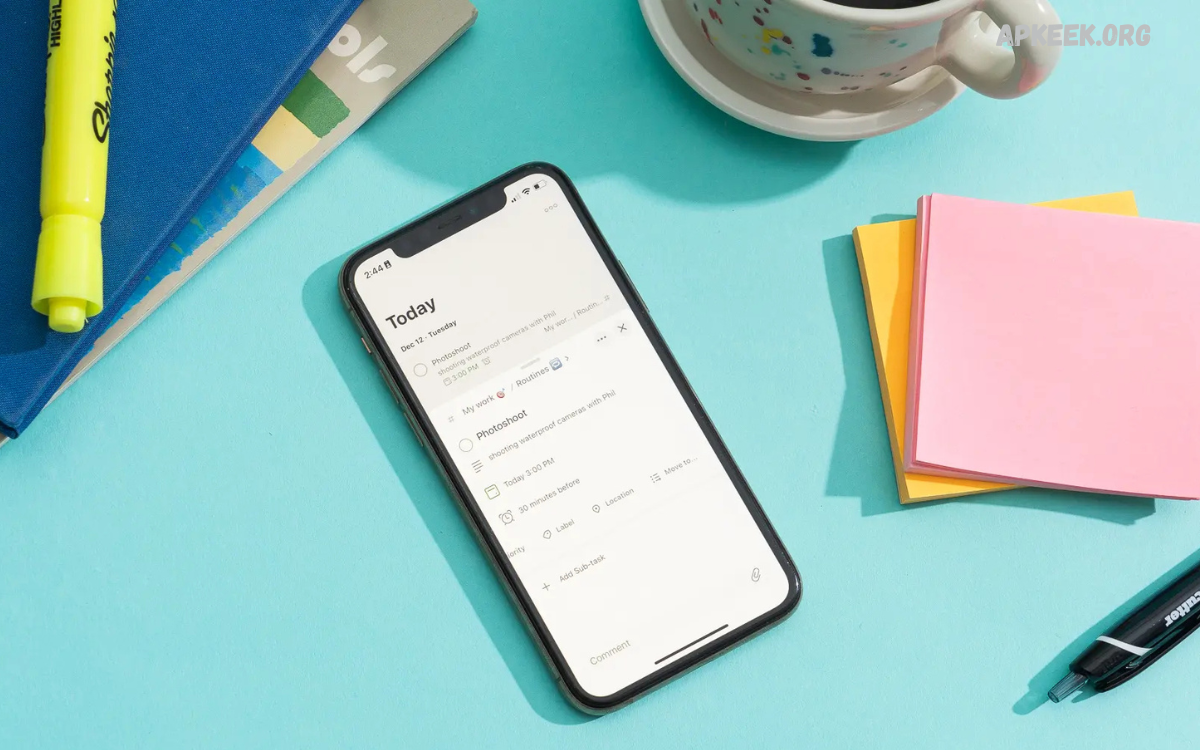
The Best Productivity Apps for Everyday Tasks can make daily routines more organized, efficient, and manageable. From creating to-do lists and managing schedules to taking notes and tracking important activities, productivity apps help users handle responsibilities with greater focus.
Modern productivity apps serve students, professionals, business owners, and everyday users. They bring useful features into one convenient place, helping users save time, reduce distractions, organize information, and complete tasks more effectively.
Why Are Productivity Apps Important for Daily Life?
Daily responsibilities can quickly become difficult to manage when tasks, appointments, notes, and reminders are scattered across different places. Productivity apps provide a structured way to organize these activities and keep important information accessible.
Using a reliable productivity app can also improve time management and consistency. Users can create task lists, set deadlines, schedule reminders, and monitor progress without depending entirely on paper notes or memory.
Best Productivity Apps for Task Management
Task management apps help users create daily plans and track unfinished responsibilities. They let users break large projects into smaller tasks, assign priorities, and set deadlines for key activities.
Many task management tools also support recurring tasks, reminders, categories, and completion tracking. These features make it easier to maintain routines and ensure important responsibilities aren’t forgotten on busy days.
Best Apps for Notes and Information Organization
Note-taking apps are valuable for recording ideas, meeting details, study material, shopping lists, and personal information. A good notes app lets users organize information into folders, notebooks, or categories for quick access.
Cloud synchronization makes modern note-taking apps even more useful because information can remain available across multiple devices. Users can write something on a smartphone and later access the same information from a computer or tablet.
Best Calendar Apps for Daily Scheduling
Calendar applications help users manage appointments, meetings, events, deadlines, and personal activities. A digital calendar provides a visual overview of the day, week, or month, making it easier to understand how available time is being used.
Calendar apps can also provide reminders before important events. Combining a calendar with task management allows users to schedule both fixed commitments and flexible activities while maintaining a more organized daily routine.
Best Time Management Apps for Productivity
Time management apps help users understand where their time goes throughout the day. Some applications provide timers, focus sessions, time tracking, and activity reports that can help identify inefficient habits.
Using time management tools can encourage users to work in focused sessions and take appropriate breaks. This approach can be especially useful for people who frequently switch between tasks or struggle with maintaining concentration.
Best Apps for Creating Daily To-Do Lists
To-do list applications are among the simplest productivity tools for everyday use. Users can quickly write down tasks, organize them according to importance, and mark completed activities throughout the day.
A well-designed to-do list can reduce mental clutter by keeping responsibilities in one location. Instead of repeatedly remembering what needs to be done, users can rely on their digital task list and concentrate on completing each activity.
Best Productivity Apps for Students
Students can use productivity apps to organize assignments, class schedules, study sessions, notes, and examination deadlines. Digital planning tools can make academic responsibilities easier to manage, especially when several subjects require attention at the same time.
Note-taking and calendar features can also support better study organization. Students can create dedicated sections for different subjects, schedule revision sessions, and set reminders for important academic activities.
Best Productivity Apps for Professionals
Professionals often need to manage meetings, projects, emails, deadlines, documents, and communication. Productivity applications can bring these activities into organized workflows and help employees maintain better control over their responsibilities.
Project management and task tracking tools are particularly useful for teams. They can provide shared task lists, deadlines, progress updates, and collaboration features that make workplace activities easier to coordinate.
Best Productivity Apps for Personal Organization
Productivity is not limited to work and education. Personal organization apps can help users manage grocery lists, household responsibilities, appointments, fitness routines, travel plans, and other everyday activities.
Keeping personal responsibilities organized can free up time and reduce unnecessary stress. A simple combination of reminders, calendars, notes, and task lists may be enough to manage many daily activities effectively.
How to Choose the Right Productivity App
Choosing the right productivity app depends on individual needs and working habits. Consider whether you need task management, note-taking, scheduling, collaboration, time tracking, or a mix of features.
Ease of use also matters because a complicated app can become another distraction. The best productivity app should simplify everyday organization rather than require too much time to maintain.
Read Also: How to Compare Car Insurance Policies and Coverage Options
Features to Look for in Productivity Apps
Useful productivity applications commonly include reminders, synchronization, search, task prioritization, recurring tasks, calendar integration, and customizable organization options. These features help users manage different types of information efficiently.
Security and reliability are also important considerations. Users should choose apps that provide dependable data storage and appropriate privacy controls, especially when storing personal notes, professional information, or sensitive schedules.
How Productivity Apps Improve Time Management
Productivity apps can help users convert general intentions into specific actions. Instead of simply deciding to complete a project, users can create individual tasks, set deadlines, and schedule dedicated time to complete them.
Visual planning also makes workloads easier to understand. When tasks are clearly displayed, users can identify urgent responsibilities, postpone less important activities, and create a more realistic daily schedule.
How to Use Productivity Apps Effectively
Installing several productivity applications does not automatically improve productivity. Using too many separate tools can create duplicated information and make organization more complicated. A simple and consistent system is often more effective.
Users should select a small number of applications that cover their primary needs. Regularly reviewing tasks, removing completed items, updating deadlines, and keeping notes organized can help keep the system useful over time.
Productivity Apps for Better Focus and Concentration
Distractions are one of the biggest challenges during work and study sessions. Focus-oriented productivity apps can provide timers, session tracking, and structured work periods that encourage users to concentrate on one activity at a time.
Combining focus tools with notification management can make digital devices less distracting. Turning off unnecessary alerts and creating dedicated work sessions can help users maintain attention on important tasks.
Benefits of Using Productivity Apps Every Day
One major benefit of productivity applications is improved organization. Users can keep tasks, reminders, schedules, and notes in one place instead of relying on multiple physical notebooks or scattered digital files.
Another benefit is better visibility of progress. Completing tasks and reviewing schedules clarify what has been accomplished and what still needs attention.
Common Mistakes When Using Productivity Apps
One common mistake is creating too many tasks without considering available time. An overloaded task list can become discouraging and may cause users to ignore the system completely.
Another mistake is constantly changing productivity applications. Switching between platforms can lead to lost information and inconsistent habits. A simple system used consistently is usually more practical.
Building a Simple Daily Productivity System
A simple productivity system can begin with one task manager, one calendar, and one note-taking application. The task manager can handle actionable responsibilities, while the calendar manages appointments and time-specific activities.
The notes app can store information that doesn’t belong on a task list or calendar. Reviewing these tools at the beginning and end of each day can help maintain an organized workflow.
Future of Productivity Apps
Productivity applications continue to develop with features designed to simplify planning and organization. Automation, intelligent suggestions, improved synchronization, and advanced collaboration features are becoming increasingly common across modern digital tools.
The future of productivity technology is likely to focus on reducing repetitive work and helping users manage information more efficiently. However, successful productivity will still depend on consistent habits and practical planning.
Frequently Asked Questions
What are the Best Productivity Apps for Everyday Tasks?
The best productivity apps depend on individual requirements. Task managers, calendar apps, note-taking tools, reminder apps, and time-management platforms are commonly useful for everyday organization.
Are Productivity Apps Useful for Daily Planning?
Yes, productivity apps can make daily planning easier by allowing users to create task lists, schedule activities, set reminders, and organize priorities in one convenient system.
Can Productivity Apps Help With Time Management?
Productivity apps can support time management through calendars, timers, time tracking, reminders, and scheduled work sessions. These features can help users understand and organize their available time.
Are Productivity Apps Good for Students?
Yes, students can use productivity apps to manage assignments, study schedules, notes, examinations, projects, and deadlines. A structured digital system can make academic responsibilities easier to organize.
Can Productivity Apps Improve Work Organization?
Productivity apps can improve work organization by helping users manage projects, deadlines, meetings, documents, and daily responsibilities. Team-oriented tools can also support collaboration.
Should I Use Multiple Productivity Apps?
Using multiple apps can help when each one serves a specific purpose. However, too many platforms can create unnecessary complexity, so users should keep a simple, consistent system.
What Features Should a Productivity App Have?
Useful features include task management, reminders, calendars, synchronization, search, recurring tasks, priority settings, and customization. The ideal features depend on the user’s personal workflow.
Can Productivity Apps Reduce Distractions?
Some productivity apps provide focus timers and structured work sessions that can help users concentrate. Reducing unnecessary notifications alongside these tools can further support focused work.
Are Free Productivity Apps Effective?
Free productivity apps can provide many useful features for everyday organization. Users should compare features and choose an app that meets their needs without unnecessary complexity.
How Can I Get More Benefits From Productivity Apps?
The best approach is to use productivity apps consistently. Create realistic tasks, set meaningful deadlines, review your schedule regularly, and avoid maintaining unnecessary applications or duplicate systems.
Conclusion
The Best Productivity Apps for Everyday Tasks can simplify planning, organization, time management, note-taking, and daily responsibilities. Whether used for work, education, personal activities, or household planning, these tools can provide a structured way to manage information and priorities.
The most effective productivity system isn’t necessarily the one with the most features. Choosing practical applications, keeping information organized, and building consistent daily habits can make productivity tools more valuable and help users accomplish everyday tasks more efficiently.
