

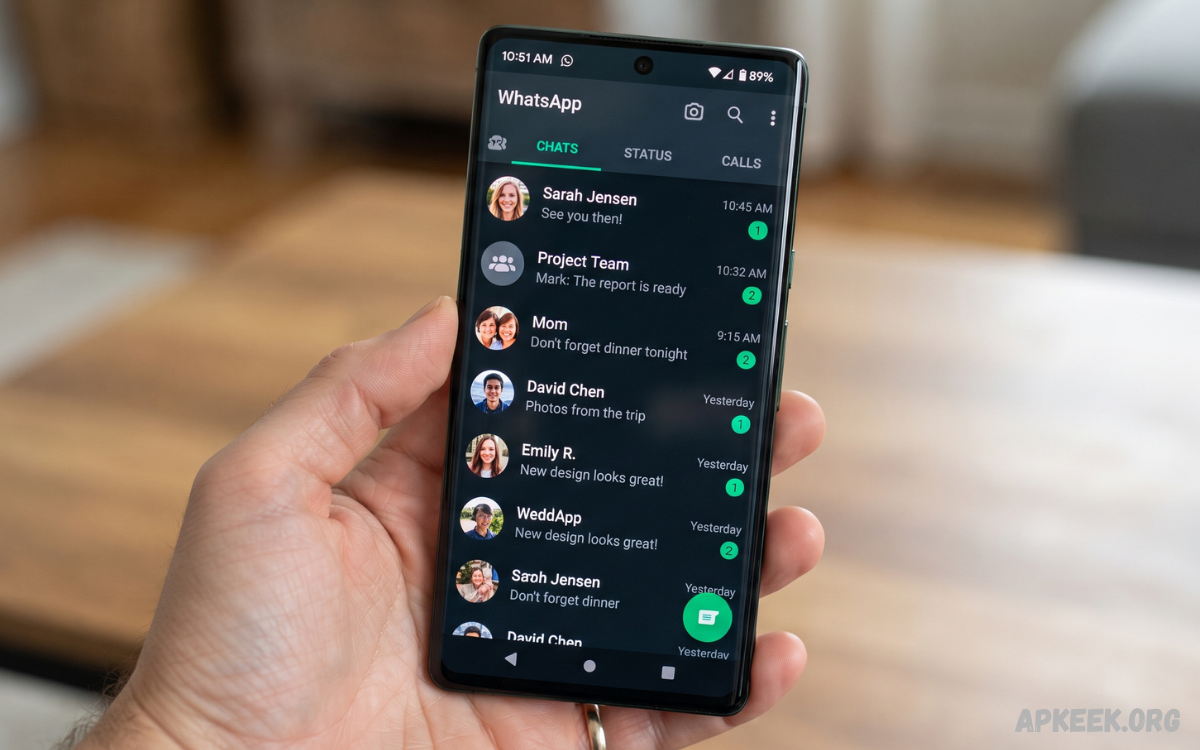
WhatsApp Android remains one of the most widely used communication apps for Android smartphones. The platform combines instant messaging, voice calls, video calls, media sharing, status updates, group conversations, communities, and privacy controls in a single app.
For Android users, WhatsApp provides a convenient way to stay connected with friends, family, customers, colleagues, and online communities. Its familiar interface, fast messaging system, and broad range of communication features make WhatsApp Android a practical choice for everyday conversations.
What Is WhatsApp Android?
WhatsApp Android is the Android version of WhatsApp, a messaging platform designed for smartphones and other compatible devices. Users can exchange text messages, photographs, videos, documents, voice messages, contacts, and other supported content through an internet connection.
The Android application also supports individual and group communication through voice and video calls. Depending on the account and available features, users can manage chats, customize privacy settings, share Status updates, and participate in larger community-based conversations.
WhatsApp Android Main Features
WhatsApp Android offers several communication features within a single application. Text messaging remains its core function, while voice messaging, media sharing, document transfers, voice calls, and video calls provide additional ways to communicate without relying on traditional SMS services.
The application also includes features designed for modern social communication. Users can create Status updates, manage group conversations, share files, react to messages, pin important conversations, and use various chat-management options to organize daily communication.
WhatsApp Android Messaging
Messaging is WhatsApp Android’s central feature. Users can send text messages to individual contacts or participate in group conversations. Messages can include emojis, GIFs, stickers, photographs, videos, documents, locations, and other supported content.
WhatsApp Android also provides tools that make conversations easier to manage. Users can reply to specific messages, forward information, delete messages when supported, search chat history, star important messages, and use reactions for quick responses.
WhatsApp Android Voice and Video Calls
WhatsApp Android supports internet-based voice and video calling, allowing users to communicate without depending on conventional cellular calling minutes. Call quality can vary according to internet speed, network congestion, device performance, and other technical conditions.
Video calls are useful for personal conversations, remote communication, and group discussions. Users should maintain a stable internet connection and keep WhatsApp updated to access supported calling improvements and maintain compatibility with newer Android versions.
WhatsApp Android Status
WhatsApp Android Status allows users to share temporary updates with selected contacts. Status content can include photos, videos, text, links, and other supported formats, giving you a simple way to share moments without sending individual messages.
Status privacy controls allow users to manage who can view their updates. Reviewing these settings is important for users who want greater control over personal content and prefer to limit Status visibility to specific contacts or audiences.
WhatsApp Android Privacy Features
Privacy is an important part of WhatsApp Android. The app provides several settings that let users control aspects of their account, profile information, Status visibility, online presence, calls, and other communication preferences.
Users should regularly review privacy settings because communication habits can change over time. Features such as app locks, disappearing messages, chat controls, and other privacy options can provide additional control depending on the Android version and WhatsApp release available on the device.
WhatsApp Android Security
Security plays an important role when using any messaging application. WhatsApp uses security technologies designed to protect communications, but users are also responsible for protecting their accounts, devices, verification codes, and personal information.
Android users should avoid sharing account verification codes and be cautious about opening unexpected links or downloading unfamiliar files. Enabling available account-security features adds an extra layer of protection against unauthorized access.
WhatsApp Android Groups
WhatsApp Android groups allow multiple users to communicate in one shared conversation. Groups can be useful for families, school activities, workplaces, community organizations, project discussions, and social interests.
Group administrators have tools for managing participants and group settings. Users can also control notification preferences, mute conversations, search group messages, and leave groups that no longer fit their communication needs.
WhatsApp Android Communities
Communities provide a structure for organizing related groups under a broader community space. This feature can help organizations, schools, neighborhoods, clubs, and other groups that need separate conversations while maintaining a common organizational structure.
WhatsApp Android users can benefit from communities when several related groups need centralized communication. Administrators can share relevant announcements while individual groups continue handling more specific discussions and activities.
WhatsApp Android Media Sharing
WhatsApp Android supports sharing photographs, videos, documents, voice messages, contacts, locations, and other supported files. Media sharing makes the application useful for both personal communication and everyday work-related exchanges.
Before sending large files, users should consider available storage space, mobile-data usage, and internet speed. WhatsApp settings also offer options to manage media downloads and storage, helping users maintain better control over device space.
WhatsApp Android Chat Management
Managing many conversations can become difficult when you use WhatsApp frequently. WhatsApp Android provides tools such as chat search, archiving, pinning, muting, starring messages, and other organizational features to help users manage conversations.
Regular chat management makes the app easier to use. Users can archive inactive conversations, pin important chats, remove unnecessary media, and search specific messages instead of manually scrolling through long conversation histories.
WhatsApp Android Notifications
Notifications help Android users stay informed about incoming messages, calls, mentions, and other activity. WhatsApp notification settings can be adjusted according to personal preferences, allowing users to reduce unnecessary interruptions.
Android system settings can also influence how WhatsApp notifications appear. Users who receive many messages may benefit from customizing notification behavior, muting selected conversations, or using Android notification controls to create a more comfortable communication experience.
WhatsApp Android Backup
Chat backup helps users preserve important conversations and supported media when changing devices or reinstalling the app. Backup availability and options can depend on the Android environment, account configuration, storage services, and WhatsApp settings.
Users should review backup settings before replacing a smartphone or removing WhatsApp. A recent backup can reduce the risk of losing important conversation data during device migration, although users should understand what content and settings are included in their selected backup configuration.
WhatsApp Android on Multiple Devices
WhatsApp offers options to use an account across compatible devices. This can help users who communicate through more than one device and want greater flexibility when accessing conversations.
Users should only connect devices they recognize and control. Reviewing linked devices regularly can help identify unfamiliar sessions and provides an opportunity to remove access from devices that are no longer being used.
WhatsApp Android for Business Communication
WhatsApp Android can support communication between businesses and customers. Businesses can use WhatsApp-based communication for customer questions, product information, service updates, appointment discussions, and other customer-support activities.
For professional communication, businesses should maintain clear response policies and protect customer information. Separating personal conversations from business communication can also improve organization and reduce the risk of accidentally sharing private information.
WhatsApp Android for Personal Communication
Personal communication remains one of the most common uses of WhatsApp Android. Families and friends can exchange messages, photographs, videos, voice notes, and Status updates without relying exclusively on traditional text messaging.
The combination of messaging and calling makes WhatsApp useful for both short conversations and longer discussions. Users can also customize notifications, privacy settings, and chat organization according to their communication habits.
WhatsApp Android Data Usage
WhatsApp Android uses internet data for messages, calls, media transfers, backups, and other online features. Data consumption can vary widely depending on how often a person makes calls or shares photos and videos.
Users with limited mobile-data plans should review WhatsApp network and media settings. Connecting to Wi-Fi for large transfers and managing automatic media downloads can help reduce unnecessary mobile-data consumption.
WhatsApp Android Storage Management
Frequent media sharing can gradually consume significant Android storage space. Photos, videos, documents, voice messages, and forwarded content may remain stored on the device depending on application settings and user actions.
WhatsApp provides storage-management tools that help users identify large files and conversations that consume substantial space. Regularly reviewing these areas can help maintain available storage and improve general device organization.
WhatsApp Android Updates
Keeping WhatsApp Android updated is important to receive supported features, compatibility improvements, bug fixes, and security updates. Older application versions may eventually have compatibility limitations with newer Android environments or WhatsApp services.
Users should get WhatsApp from a trusted source and avoid modified or unofficial app packages. Unofficial versions can create additional privacy and security risks and may not provide the same protections as the official application.
WhatsApp Android and Android Compatibility
Compatibility depends on your Android version, device capabilities, available storage, the app’s requirements, and WhatsApp’s current support policies. Older smartphones may eventually have limitations as software requirements change.
Users experiencing installation or performance problems should first verify their Android version, available storage, internet connection, and WhatsApp version. When supported, updating the operating system and app can resolve some compatibility issues.
WhatsApp Android Common Problems
WhatsApp Android may occasionally experience issues such as delayed messages, failed media uploads, call problems, notification delays, or difficulty restoring backups. Many problems stem from internet connectivity, device settings, storage limits, or outdated software.
A practical troubleshooting process begins with checking the internet connection and application version. Users can also restart the device, review Android permissions, check storage availability, and confirm notification settings before attempting more advanced solutions.
Read Also: Best App to Track WhatsApp Last Seen – APK Download
WhatsApp Android Privacy Settings
Privacy settings deserve regular attention because they determine how other people can interact with an account and view certain information. Users can review available options for profile visibility, Status, online information, groups, calls, and other account-related controls.
The appropriate configuration depends on individual communication needs. Users who prefer greater privacy can limit visibility and interactions where supported, while people who use WhatsApp extensively for professional communication may require broader accessibility.
WhatsApp Android Chat Privacy
Chat privacy involves more than controlling who can send messages. Users should consider device access, notification previews, backups, linked devices, downloaded media, and shared files when protecting sensitive conversations.
Android users can also consider device-level security features such as a strong screen lock and biometric authentication where supported. Protecting the smartphone itself is an important part of protecting conversations and account information.
WhatsApp Android Message Reactions
Message reactions let you respond quickly without sending a separate text message. They can make group and individual conversations easier to manage, especially when users want to acknowledge information without creating additional messages.
Reactions can also reduce unnecessary conversation clutter. Instead of replying with a short acknowledgement, users can use an available reaction to communicate a simple response while keeping the conversation more focused.
WhatsApp Android Voice Messages
Voice messages offer an alternative to typing long responses. They can be useful when users need to explain something quickly, communicate while mobile, or share information that would be difficult to convey in short text messages.
Recipients can listen to voice messages when convenient, making them practical for many informal conversations. Users should still consider privacy when recording voice messages in public places or discussing sensitive information.
WhatsApp Android Accessibility
Accessibility is an important consideration for modern Android applications. Android provides system-level accessibility tools that can help users with different visual, hearing, motor, and interaction needs, while WhatsApp offers features that work alongside supported Android capabilities.
Users can explore Android accessibility settings and WhatsApp options to create a more comfortable communication experience. Available functionality can vary by device manufacturer, Android version, and app version.
WhatsApp Android User Experience
The WhatsApp Android interface is designed around conversations, calls, Status updates, communities, and account settings. Its familiar navigation structure makes it relatively straightforward for users who regularly communicate through messaging applications.
The overall experience also depends on the Android device itself. Screen size, processor performance, storage capacity, network quality, notification settings, and battery condition can affect how smoothly WhatsApp runs.
WhatsApp Android Tips for Better Use
Users can improve their WhatsApp Android experience by keeping the application updated, reviewing privacy controls, managing storage, organizing conversations, and monitoring linked devices. These simple habits can make everyday communication more efficient.
It is also useful to avoid unnecessary media downloads and regularly review large files. Users should protect verification codes, use strong device security, and be cautious with suspicious links or unexpected messages.
Is WhatsApp Android Free?
You can install and use WhatsApp on Android for messaging and supported communication features without a traditional SMS subscription. However, it requires internet connectivity, and mobile-network data charges may apply depending on the user’s carrier or data plan.
Some communication activities can consume significant data, particularly video calls and large media transfers. Users with limited data allowances should monitor usage and use Wi-Fi when appropriate.
How to Get WhatsApp Android
Android users should get WhatsApp through a trusted, official distribution channel. Using an authentic application reduces the risks associated with modified packages, suspicious downloads, and unofficial versions that may compromise account or device security.
After installation, users can open WhatsApp and follow the account setup process. The application may request permissions required for supported features, and users should review permissions carefully before granting access.
WhatsApp Android Account Setup
Setting up WhatsApp Android generally involves installing the application, entering a supported phone number, completing verification, and configuring account information. Users should ensure that the phone number can receive the required verification process.
After setting up their account, users can configure their profile, privacy settings, notifications, backup preferences, and other options. Taking a few minutes to review these settings can create a more controlled and personalized experience.
WhatsApp Android for Everyday Communication
WhatsApp Android brings multiple communication methods together in one platform. Users can switch between text messages, voice notes, calls, video calls, Status updates, groups, and communities as needed.
This flexibility makes WhatsApp useful across personal, educational, social, and professional situations. The platform supports quick messages and more detailed conversations without requiring users to switch between several communication apps.
Frequently Asked Questions
What is WhatsApp Android?
WhatsApp Android is the Android version of WhatsApp, providing messaging, voice calls, video calls, media sharing, Status updates, groups, and other communication features. It requires an internet connection for most communication features.
Is WhatsApp Android free to use?
WhatsApp Android generally does not require a traditional SMS fee to send messages through the service. However, the application requires an internet connection, so mobile-data charges may apply depending on the user’s network plan.
Can WhatsApp Android make video calls?
Yes, WhatsApp Android supports video calling on compatible devices. Users can make individual or supported group video calls through an internet connection.
Is WhatsApp Android secure?
WhatsApp includes security and privacy technologies designed to protect communications. However, users should also protect their smartphones, verification information, account access, and linked devices.
Can WhatsApp Android share documents?
Yes, WhatsApp Android supports document sharing within supported limits and formats. This feature can help you exchange work files, PDFs, presentations, and other documents.
Does WhatsApp Android support Status updates?
Yes, WhatsApp Android supports Status updates. Users can share supported text, photographs, videos, links, and other content with contacts according to available Status privacy settings.
Can WhatsApp Android be used on multiple devices?
WhatsApp supports linked devices and compatible multi-device functionality. This lets users access their account on supported additional devices.
How can I reduce WhatsApp Android storage usage?
Users can reduce storage consumption by reviewing large files, removing unnecessary media, and controlling automatic media downloads. WhatsApp’s storage-management options can help identify conversations and files that use a lot of space.
Why is WhatsApp Android not sending messages?
Message-delivery problems can result from weak internet connectivity, service interruptions, outdated software, device restrictions, or other technical conditions. Checking the internet connection is a useful first troubleshooting step.
How can I keep WhatsApp Android safer?
Users should keep WhatsApp and Android updated, protect their smartphone with a strong screen lock, avoid sharing verification codes, review linked devices, and be cautious with suspicious links and files.
Conclusion
WhatsApp Android provides a comprehensive communication platform for messaging, voice calls, video calls, media sharing, Status updates, groups, communities, and other modern communication needs.
For the best experience, users should keep WhatsApp updated, manage storage, review privacy settings, protect account verification information, and monitor connected devices.
